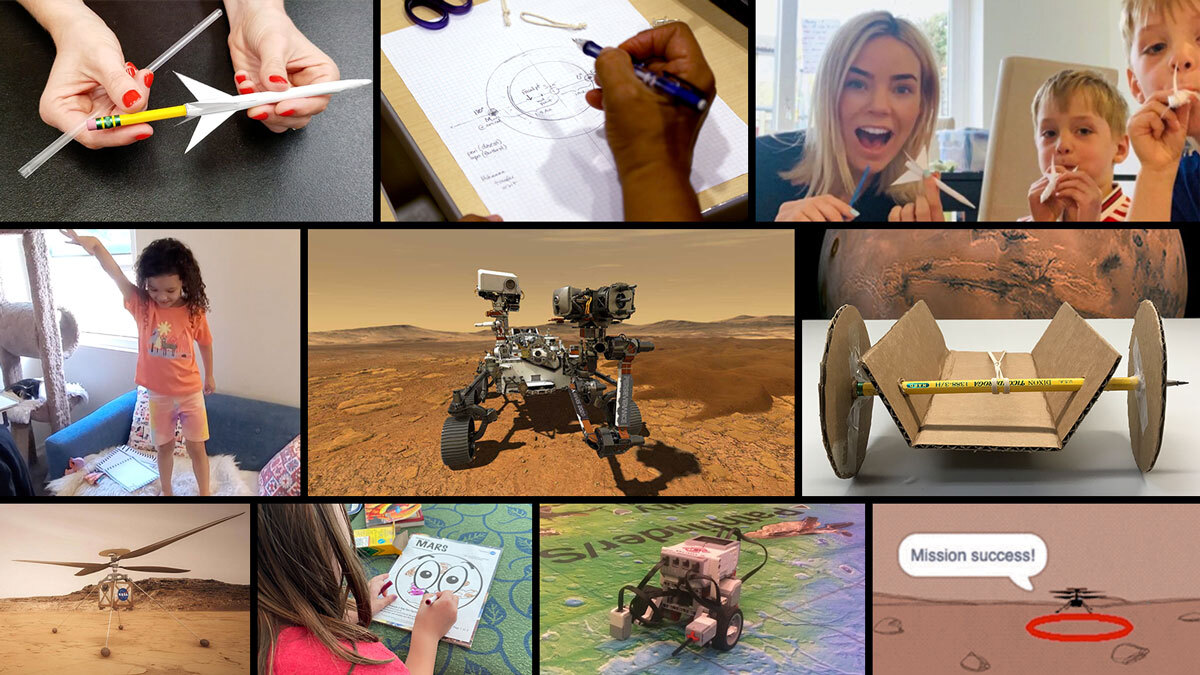
On Feb. 18th, 2021 NASA will attempt to land the Mars 2020 Perseverance rover on the surface of the Red Planet. To celebrate this effort NASA has created the Mission…
On Feb. 18th, 2021 NASA will attempt to land the Mars 2020 Perseverance rover on the surface of the Red Planet. To celebrate this effort NASA has created the Mission…
The 2024 VEX Robotics World Championship takes place from April 25 – May 3, 2024 at the Kay Bailey Hutchison Convention Center in Dallas, Texas. Over the course of nine…

The highly anticipated moment all the FIRST Robotics Competition (FRC) teams that applied for a NASA FRC grant has finally arrived! NASA is happy to announce our 2023-2024 award selections…
NASA’s Message in a Bottle campaign invites people around the world to sign their names to a poem written by the U.S. Poet Laureate Ada Limón. The poem connects the…
NASA FRC Sponsorship Application Directions for the 2024 Competition Season Welcome to the NASA FIRST Robotics Competition (FRC) grant application process for the 2024 competition season. We are very excited…
The NASA App Development Challenge (ADC), a Next Gen STEM activity, is a coding challenge in which NASA presents technical problems to middle and high school students seeking student contributions…
The highly anticipated moment all the FIRST Robotics Competition (FRC) teams that applied for a NASA FRC grant has finally arrived! NASA is happy to announce our 2022-2023 award selections…
NASA FRC Sponsorship Application Directions for the 2023 Competition Season Welcome to the NASA FIRST Robotics Competition (FRC) grant application process for the 2023 competition season. We are very excited…
The 2022 FIRST Robotics Competition kickoff marks the beginning of the design and build season for the FIRST Robotics Competition. Teams have the opportunity to meet at “local” Kickoffs to…
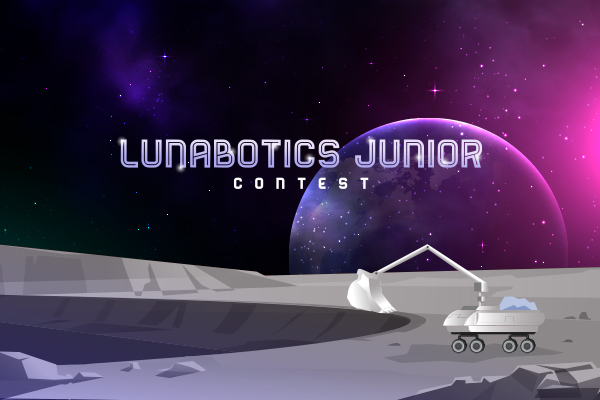
NASA Lunabotics Junior Contest – Design Moon Digging Robots NASA seeks young engineers to help design a new robot for an excavation mission on the Moon. The Lunabotics Junior Contest, open…
The highly anticipated moment all the FIRST Robotics Competition (FRC) teams that submitted an application for a NASA FRC grant has finally arrived! NASA’s award selection are below. If your…